
You can safely use certain rat repellents indoors if you choose options like ultrasonic devices or natural scents such as peppermint oil and strictly follow product instructions rat repellent sound. Be sure to ventilate areas well to reduce respiratory risks and keep repellents out of reach of children and pets to avoid toxicity. Effectiveness varies, so pairing repellents with habitat control improves results. To fully understand safe use and best practices for protecting your home, it helps to take into account all key factors involved.
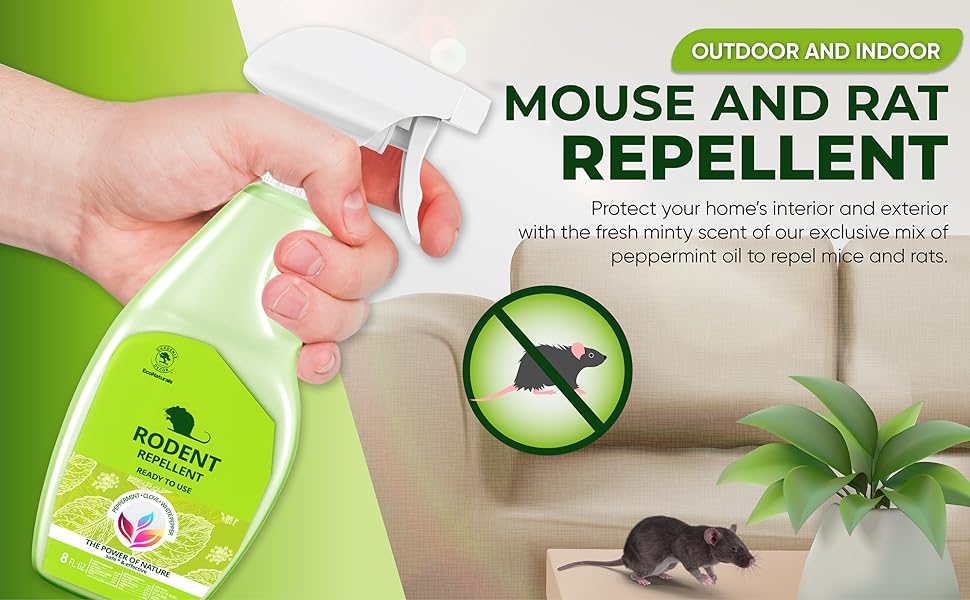
Types of Rat Repellents Commonly Used Indoors
Although there are various options available, the types of rat repellents commonly used indoors generally fall into three categories: ultrasonic devices, chemical sprays, and natural deterrents. Ultrasonic devices emit high-frequency sound waves that are inaudible to humans but unpleasant for rats, encouraging them to leave your space without physical harm. These devices offer a hands-free, non-toxic approach, appealing if you prefer minimal chemical use. Natural repellents, on the other hand https://igreenasia.com/, rely on scents like peppermint oil or ammonia, which rats find offensive. You can apply these directly or use diffusers, giving you control over the environment in a way that aligns with your desire for safety and freedom. Understanding these options helps you make informed choices about managing indoor rat issues effectively and responsibly.
Potential Health Risks Associated With Indoor Rat Repellents
When using indoor rat repellents, you should be aware of potential chemical exposure that can affect your health. Some products may cause respiratory irritation or other allergic reactions, especially in sensitive individuals. Additionally, it’s important to take into account pet safety, as certain repellents can be harmful to your furry companions.
Chemical Exposure Concerns
Since many indoor rat repellents rely on chemicals to deter pests, you should be aware of potential health risks they might pose. These products often release airborne particulates that can linger in your living space. Prolonged or long term exposure to these chemicals may increase the risk of adverse effects, especially if ventilation is poor. You might experience subtle symptoms that build up over time, making it important to minimize continuous contact. Choosing repellents with safer ingredient profiles and using them sparingly can help reduce exposure. Always follow manufacturer guidelines and consider alternative methods to protect your home without compromising your health or freedom to breathe clean air. Understanding these concerns empowers you to make informed decisions about indoor pest control.
Respiratory Irritation Effects
Because many indoor rat repellents emit chemicals that can irritate your respiratory system, it’s important to understand the potential health risks involved. Exposure to these substances may cause respiratory inflammation, leading to discomfort and difficulty breathing. You might experience mucous membrane irritation, which affects your nose, throat, and eyes, causing redness, itching, or a burning sensation. Prolonged or repeated exposure can aggravate existing respiratory conditions like asthma or bronchitis, limiting your ability to enjoy a healthy indoor environment. To protect yourself, make sure proper ventilation when using rat repellents and follow product instructions carefully. Being aware of these risks empowers you to make informed choices, maintaining your freedom to keep your home safe without compromising your respiratory health.
Pet Safety Considerations
Although rat repellents aim to keep pests at bay, they can pose health risks to your pets if not used carefully. Many repellents contain chemicals or strong odors that may irritate your pet’s respiratory system or skin. To guarantee safety, it’s essential to integrate pet training techniques that encourage scent avoidance, helping your pets steer clear of treated areas. Always choose repellents labeled as pet-safe and apply them in places inaccessible to your animals. Regularly monitor your pets for any signs of discomfort or unusual behavior. By combining thoughtful application with pet training focused on scent avoidance, you maintain a safe environment without compromising your pets’ freedom or well-being. Prioritizing these steps helps protect your furry companions while effectively managing indoor rat problems.
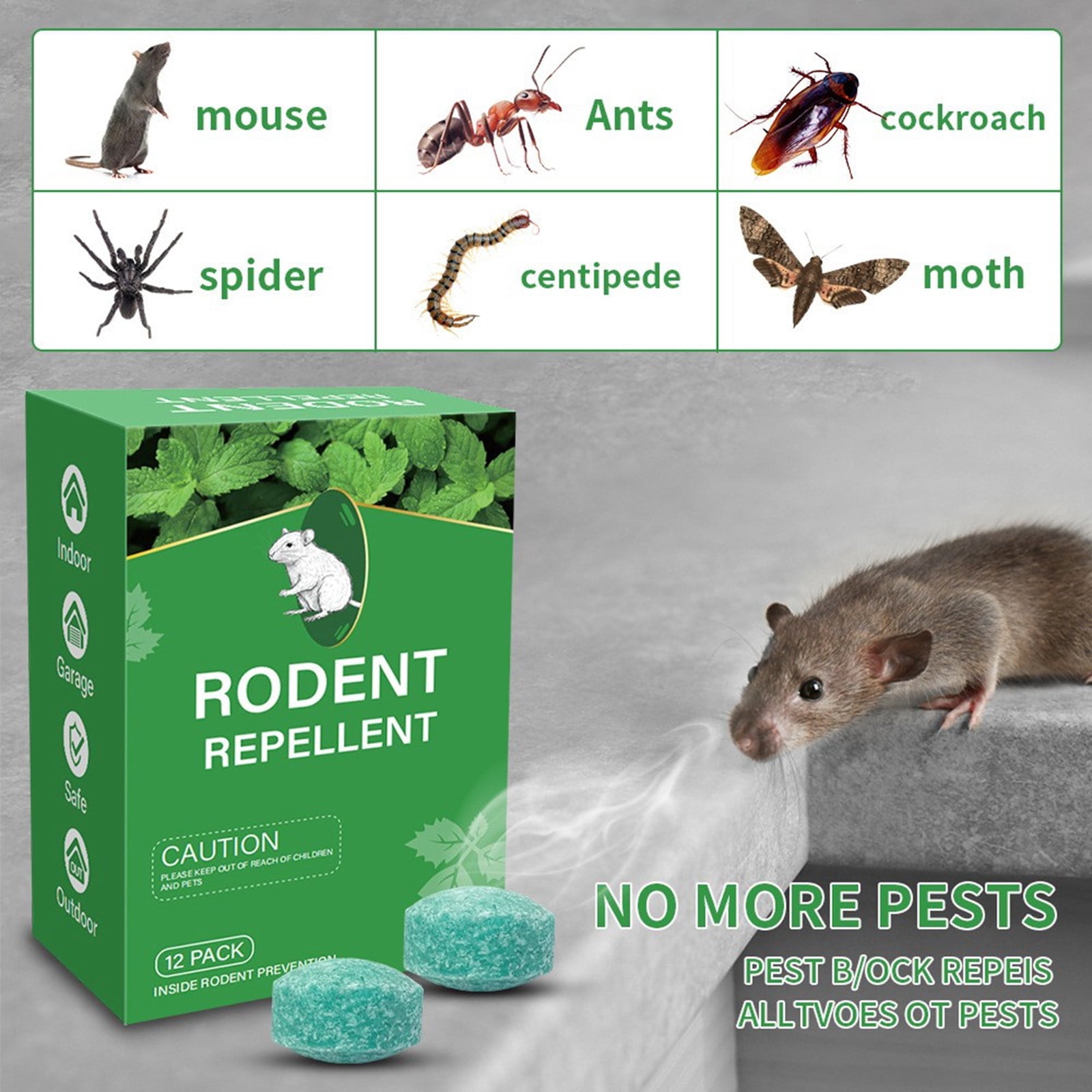
Safety Considerations for Pets and Children
You’ll want to be cautious about toxicity risks when using rat repellents around pets, as many ingredients can be harmful if ingested or inhaled. Keeping repellents out of reach and ensuring proper ventilation helps protect children from accidental exposure. Following safe application practices is essential to minimize any health hazards in your home.
Toxicity Risks for Pets
When using rat repellents indoors, it’s important to take into account the potential toxicity risks they pose to pets. Pet toxicity varies widely depending on the repellent’s ingredients, and some products can be especially harmful to animals. Birds, for example, exhibit high avian sensitivity to many chemicals, making them particularly vulnerable.
Keep these key points in mind:
- Many repellents contain substances toxic to dogs, cats, and small pets.
- Inhalation or ingestion can lead to symptoms like vomiting, lethargy, or seizures.
- Avian species are extremely sensitive; even small exposures can be dangerous.
- Always check labels for pet safety warnings before use.
- Store repellents securely, out of reach of curious pets.
Taking these precautions helps protect your furry and feathered friends while keeping your home pest-free.
Child Exposure Precautions
Since children are naturally curious and prone to exploring their environment, you need to be especially cautious with rat repellents indoors. To keep your home safe, secure proper supervision whenever repellents are in use. Store these products out of children’s reach and never leave them unattended around kids. It’s also important to provide age appropriate education, teaching children about the potential dangers of these substances without causing fear. By explaining why repellents are necessary and how they work, you empower them to respect these areas. Balancing safety with freedom means you stay vigilant while encouraging responsible behavior. Taking these steps minimizes accidental exposure risks and helps maintain a secure environment for both your children and your household.
Safe Application Practices
Although rat repellents can be effective indoors, applying them safely requires careful consideration of both pets and children. To protect your loved ones while using behavioral deterrents as part of integrated pest management, follow these safe application practices:
- Store repellents out of reach to prevent accidental ingestion.
- Use pet-safe options and avoid sprays or powders in commonly accessed areas.
- Apply repellents in hidden or less accessible spots to minimize contact.
- Monitor pets and children for any adverse reactions after application.
- Always read and follow label instructions for proper handling and ventilation.
Effectiveness of Different Rat Repellent Methods
Understanding how different rat repellent methods work is essential for choosing the most effective solution for your indoor space. Ultrasonic efficacy varies widely; while some devices emit high-frequency sounds that may deter rats, results often depend on factors like room layout and device placement. Rats can become accustomed to constant noise, reducing long-term effectiveness. Behavioral conditioning methods, such as using specific scents or tastes rats find unpleasant, can offer more consistent results by encouraging avoidance. However, these methods require regular application to maintain their deterrent effect. Combining approaches thoughtfully can enhance overall success, but it’s vital to monitor outcomes and adjust tactics accordingly. By understanding these mechanisms, you can select a strategy that respects your freedom while effectively managing rats indoors.
Alternative Strategies for Rodent Control Inside the Home
When dealing with rodents indoors, it’s important to explore alternative strategies beyond traditional repellents. You want effective control methods that respect your living space and safety. Consider integrating these approaches:
- Habitat modification: Eliminate food sources, seal entry points, and reduce clutter to discourage rodents.
- Non toxic baiting: Use bait stations with humane, chemical-free options to attract and manage pests safely.
- Snap traps: Opt for quick, targeted capture devices placed strategically.
- Ultrasonic devices: Employ sound-based deterrents as a supplementary measure.
- Regular cleaning: Maintain cleanliness to remove potential nesting materials and food crumbs.
Tips for Safe Application and Usage of Rat Repellents
Since rat repellents can vary widely in their ingredients and application methods, it’s essential you follow specific guidelines to guarantee they’re used safely and effectively indoors. Start by choosing repellents based on natural deterrents like peppermint oil or ultrasonic devices, which minimize risks to your health and pets. Always read and adhere to the product instructions carefully, placing repellents away from food preparation areas and children’s reach. Combine repellent use with behavior modification strategies, such as sealing entry points and removing food sources, to enhance effectiveness. Ventilate treated spaces well to avoid buildup of any odors or chemicals. By applying these tips, you make certain your indoor environment remains safe while effectively deterring rats, giving you the freedom to manage pests responsibly without compromising your household’s wellbeing.
Conclusion
When using rat repellents indoors, you need to balance effectiveness with safety. Many products can pose health risks, especially to children and pets, so always choose options labeled safe for indoor use. Consider combining repellents with alternative control methods for better results. Follow all application instructions carefully to minimize hazards. By staying informed and cautious, you can manage rodent problems effectively without compromising your household’s health and safety.


