
The touch concept workflow centers on designing exhibition booths that create meaningful, interactive engagement points fostering visitor connection. It maps physical and emotional interactions, encouraging intuitive movement without overwhelming attendees booth design for exhibition. Effective planning includes clear objectives, optimized space, interactive elements, and adherence to safety standards. Team collaboration uses project management tools for coordination, while logistics focus on smooth setup and creative spaces. Success is measured through metrics and feedback, ensuring continuous improvement. Exploring further will reveal deeper insights into each phase of this process.
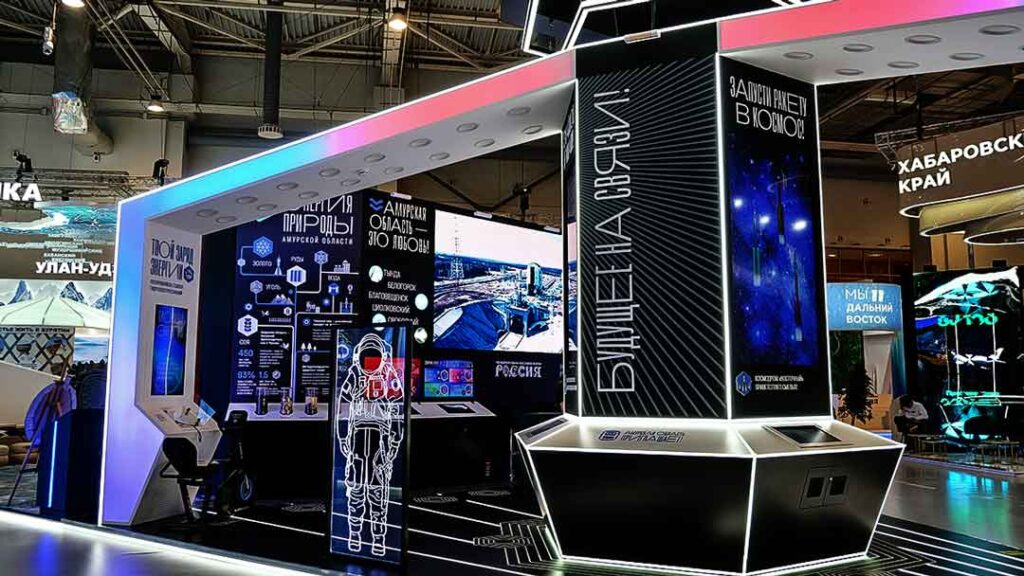
Understanding the Touch Concept Workflow
Although often overlooked, understanding the touch concept workflow is vital for effective exhibition booth planning. This approach centers on creating meaningful, interactive points—“touches”—that engage attendees and convey brand messages effortlessly.
The workflow maps how visitors physically and emotionally interact with the booth, ensuring each element invites exploration without constraints. By focusing on freedom of movement and intuitive engagement, the touch concept fosters a natural connection between the exhibitor and audience.
This process requires analyzing visitor behavior patterns to design spaces that encourage discovery rather than restriction. Ultimately Touch Concept, the touch concept workflow supports a seamless visitor experience, where interactions feel organic and unforced, enhancing the booth’s impact without overwhelming or confining attendees.
This foundation is essential before advancing to specific design actions.
Key Steps in Exhibition Booth Design
When planning an exhibition booth, a structured approach to design is essential to balance aesthetics, functionality, and visitor engagement. The process begins with defining clear objectives, ensuring the booth reflects the brand’s identity and goals.
Space planning follows, optimizing layout for smooth traffic flow and accessibility. Selecting materials and colors is critical to create visual appeal while maintaining durability.
Incorporating interactive elements enhances visitor experience, inviting participation and curiosity. Lighting design supports both ambiance and product highlighting, reinforcing the desired atmosphere.
Finally, ensuring compliance with venue regulations and safety standards secures a hassle-free setup. Each step prioritizes freedom in creativity and practicality, enabling designers to craft compelling, effective booths that stand out and invite meaningful connections.
Collaborative Tools for Team Coordination
Effective coordination among team members is essential for the successful planning and execution of an exhibition booth. Collaborative tools enable seamless communication, real-time updates, and centralized information sharing, allowing teams to work freely without constraints.
Platforms like project management software, cloud storage, and instant messaging apps empower individuals to contribute ideas, track progress, and address challenges efficiently. These tools foster transparency, reduce misunderstandings, and support flexible workflows, accommodating diverse schedules and locations.
By leveraging collaborative technologies, teams gain autonomy while maintaining alignment toward shared goals. This balance between structure and freedom enhances creativity and responsiveness, ultimately driving a more dynamic and effective booth planning process.
Embracing such tools is vital for teams seeking to optimize coordination without sacrificing independence or control.

Managing Logistics and On-Site Setup
Once collaborative efforts establish a clear plan, attention shifts to managing logistics and on-site setup, which involves coordinating the physical aspects of the exhibition booth.
This phase guarantees that all elements arrive on time, are assembled correctly, and function seamlessly, enabling the team to operate without constraints.
Effective logistics management liberates the team from last-minute chaos, allowing focus on meaningful engagement.
Key emotional triggers include:
- The relief of a smooth setup, freeing the mind from stress
- The excitement of seeing the vision materialize in physical form
- The empowerment of a well-organized space that invites creativity and connection
Measuring Success and Gathering Feedback
How can an exhibition team determine whether their efforts have truly paid off? Success measurement relies on clear objectives set before the event, such as lead generation, brand awareness, or sales conversions.
Quantitative data like visitor counts, engagement rates, and follow-up meetings provide tangible indicators. Equally important is gathering honest feedback from attendees and staff through surveys or interviews, revealing insights on booth appeal and interaction quality.
This feedback loop fosters continuous improvement, empowering teams to adapt strategies freely for future events. By combining objective metrics with subjective experiences, exhibition organizers gain a thorough understanding of performance, ensuring resources are allocated effectively.
Freedom in decision-making emerges from transparent evaluation, enabling teams to refine their approach and maximize impact in a competitive exhibition landscape.
Conclusion
The touch concept workflow streamlines exhibition booth planning and execution by integrating design, collaboration, logistics, and feedback processes. By following key steps and utilizing collaborative tools, teams can enhance coordination and efficiency. Effective management of on-site setup guarantees a seamless experience, while measuring success and gathering feedback provide valuable insights for future improvements. This structured approach ultimately contributes to a more impactful and well-organized exhibition presence.


