
Foot health influences whole-body alignment, gait mechanics, and injury risk by altering load distribution and sensory feedback. Compromised foot structure or reduced ankle mobility leads to compensatory hip rotation, pelvic tilt, and spinal changes that increase pain and dysfunction chiropodist vs podiatrist. Numbness or ulcers may indicate neuropathy, vascular disease, or infection requiring urgent assessment. Daily stretching, proper footwear, and targeted strengthening restore biomechanics and reduce overload. Continued information explains assessment, when to seek care, and practical interventions to protect mobility.

Why Healthy Feet Affect Your Whole-Body Posture and Movement
When the structure and function of the feet are compromised, alignment and load distribution throughout the kinetic chain are altered, producing measurable changes in posture and movement patterns. The clinician observes that alterations in gait mechanics lead to compensatory strategies: increased hip rotation, pelvic tilt, and altered spinal curvature.
Assessment focuses on foot structure, ankle mobility https://peoplepodiatry.com.au/, and proprioceptive input, then correlates findings with thoracic and lumbar alignment. Intervention prioritizes restoring foot biomechanics to reduce maladaptive loading, while prescribing targeted exercises to enhance core integration and stability.
Patient-centered goals emphasize restored mobility, reduced pain, and regained freedom of movement. Objective outcome measures track symmetry of step length, cadence, and improvements in postural control during functional tasks.
Common Foot Problems and How They Signal Wider Health Issues
Recognition of foot symptoms often provides an early, objective window into systemic or biomechanical dysfunctions beyond the plantar surface.
Clinicians note that persistent numbness, burning, or loss of sensation constitutes a neuropathy warning, prompting glycemic screening and neurologic assessment.
Intermittent claudication, cool skin, delayed capillary refill, and diminished pulses act as vascular indicators necessitating vascular imaging and risk-factor modification.
Structural deformities—hallux valgus, collapsed arches, rigid hammertoes—suggest altered load distribution and warrant gait analysis to determine proximal compensations.
Recurrent infections, nonhealing ulcers, and trophic skin changes require multidisciplinary care to prevent escalation.
Patients benefit from clear staging, targeted diagnostics, and individualized treatment plans that restore function, preserve mobility, and support autonomy without prescribing daily preventive routines here.
Simple Daily Habits to Prevent Pain, Blisters, and Long-Term Damage
By adopting a few consistent, evidence-based daily habits, patients can markedly reduce pain, prevent blisters, and minimize cumulative mechanical and skin damage that lead to long-term disability.
A concise routine includes targeted daily stretches for ankle dorsiflexion, plantar fascia mobilization, and intrinsic foot strengthening to restore alignment and distribute load.
Footwear selection should prioritize fit, cushioning, and support; alternating shoes reduces repetitive-pressure patterns.
Skin care emphasizes regular inspection, callus management, and moisture management to prevent maceration and friction-related lesions.
Nail hygiene and trimming technique reduce ingrown nail risk.
Activity modification—gradual progression of intensity and cushioned surfaces—limits overload.
Documentation of symptoms and routine adherence empowers autonomy and facilitates timely intervention when conservative measures fail.
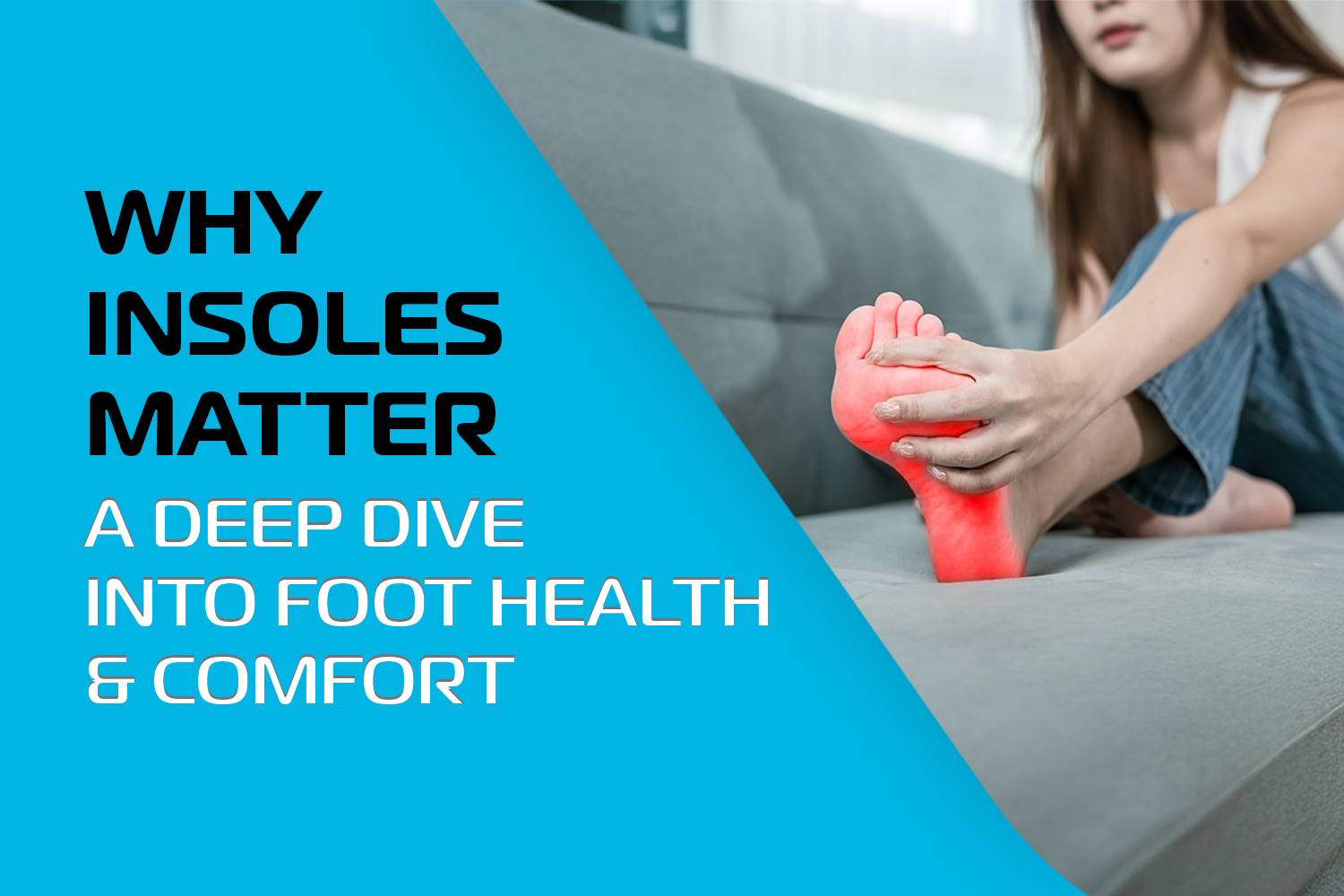
When a Foot Issue Needs Medical Attention and What Specialists Do
Seek prompt medical evaluation if foot symptoms are progressive, severe, or accompanied by systemic signs; timely assessment prevents complications and guides appropriate specialist referral.
Clinicians assess pain patterns, wound characteristics, neurovascular status, and functional limitation to determine when to escalate care. Red flags include uncontrolled infection, ischemia, acute deformity, persistent ulceration, unexplained swelling, or loss of sensation. Primary care coordinates initial investigations—imaging, labs, vascular studies—and will seek specialists when conservative measures fail.
Podiatrists manage structural problems, ulcers, and conservative biomechanical interventions; orthopedic foot and ankle surgeons address fractures, deformity correction, and advanced reconstructive needs. Vascular surgeons treat perfusion deficits; infectious disease experts guide antimicrobial therapy for complex infections. Multidisciplinary care preserves mobility and autonomy while minimizing recurrence and disability.
Choosing Shoes, Insoles, and Exercises That Protect Foot Health
Selecting appropriate footwear, insoles, and exercise regimens preserves function, reduces injury risk, and supports recovery for a range of foot conditions.
Clinical assessment guides selection between Custom orthotics for structural support and Minimalist footwear for proprioceptive strengthening; a patient-centered plan balances protection with mobility goals.
Footwear must match activity, arch type, and deformity; insoles may be rigid, semi-rigid, or accommodative.
Exercise prescriptions target intrinsic muscle strengthening, flexibility, and gait retraining, progressing load and challenge to restore independence.
Monitoring for pain, skin change, or altered biomechanics prompts timely adjustment.
Education enables autonomous self-care and informed choices that maintain function without overprotection.
- Assess foot type and activity demands
- Fit and test shoes under load
- Prescribe Custom orthotics as indicated
- Introduce Minimalist footwear gradually
- Assign progressive strengthening and mobility exercises
Conclusion
Healthy feet underpin posture, balance, and efficient movement; neglect can precipitate widespread musculoskeletal and systemic consequences. Early recognition of pain, deformity, or gait changes prompts timely intervention—conservative measures, targeted exercises, footwear modification, or specialist referral—mitigate progression and restore function. Routine self-care, appropriate shoe choice, and informed use of insoles reduce risk of blisters, ulcers, and chronic pathology. Prioritizing foot health preserves mobility, prevents secondary complications, and supports long-term overall well-being.


